RSS

Elephants in the glasshouse – contextualizing sustainability and integrated reporting

Cutting fluff out of reporting by looking at some of the root causes of the sustainability challenges may help stakeholders to better understand in how far the majority of companies are part of the problem or can be part of the solution to human survival

A couple of weeks ago Shell published their newest sustainability report. The External Review Committee concluded their review with an astonishing statement: ‘While acknowledging the high quality of Shell’s sustainability reports, (…), there is a growing desire on the part of the ERC to see more strategic context and content in these reports. The Committee would like to see a more comprehensive presentation of Shell’s vision, strategy and metrics for sustainable development in a world facing climate change, growing energy demand, and continuing concern about environmental and social impacts’. How on earth is it possible that a world leader in scenario technology that just recently published their newest scenarios, misses the mark on putting their performance into relevant context? How is it possible that ongoing crucial discussions about the value of reserves on their balance sheet – now discussed by HSBC, Citibank, 350.org and Carbon Tracker as ‘Unburnable Carbon’ under a 2 degrees scenario – are not even mentioned in the report? How is it still possible that the company calls the stretch of their existing business model ‘sustainable innovation’, while their programs around renewables just burn some play money? Troubled and disturbed readers are left alone to make the connection to Shell’s scenarios in which they (finally) admit that renewables can have a majority market share in the future.

How refreshing and contrasting to Shell’s cocooning is the newest integrated report of Novo Nordisk, called ‘Strategy is about choice’. A main theme covered in the report is ‘sustainable growth – can it be done?’ The company discusses on 3 full pages the contextualization of their business, posing various crucial questions right at the beginning: ‘Novo Nordisk’s projected growth trajectory puts the company’s sustainability aspirations to the stress test. How can it increase production while keeping environmental impacts down? How can it expand access to care where public healthcare’s financial means are limited or healthcare services are inadequate?’ The company then introduces the ‘Blueprints for Change’ program, a set of case studies that will look closer into the company’s foot- and handprints in a time of limits to growth and the need to increase health care in diabetes worldwide. The chapter closes with a clear commitment: ‘In our view, though, there is more to it than competitiveness. In our approach to business we strive to create long-term, sustainable value in a bigger picture perspective.’

Missing sustainability context is mainly based on three root causes – elephants in the glasshouse if you like – explaining the need to disclose a proper positioning of a company’s business model towards these three aspects of sustainability context:

1. Global efficiency gains: over the last decades the majority of efficiency gains in company approaches – mainly to save money – were reached through specialization and additional outsourcing; from a sustainability perspective this increased the need to bridge time & space, which in consequence lead to an absolute increase in resource and energy use worldwide in transport & logistics as well as infrastructure. The digitization of production and logistical processes needed additional expansion in supporting electronic infrastructure, again leading to additional resource and energy use. While we globally saved money per unit of product – also due to the collective neglect to internalize external effects in cost accounting – the absolute resource and energy use went up and will continue to do so. This is a slow death path for humanity on a finite planet.

2. Productivity increase through innovation: Looking back at innovation waves, as characterized by the famous Kondratieff cycles, we need to understand that every new cycle didn’t lead to just the use of new technology, but always left older technology behind and in use, either through new owners, or because they were shipped to other parts of the world. This accumulated world of old or stranded assets have not lead to an absolute global reduction of resource and energy use and remain part of the problem as long as they are not completely built back, something that will remain difficult up to impossible given the mingling of stuff in the past, not offering a lot of opportunity to reuse, recycle, or re-enter them in a circular economy. Again, this adds to a slow death path of humanity on this finite planet.

3. Rebound effects additionally overshadow efficiency and productivity gains: these lead to an extra sharpening of the global resource and energy use scenario. Amongst them are:
• Material Rebound Effects: a continuous increase of machines in daily lives and in industry make us completely dependent on tools and energy;
• Demographic Rebound Effects: the increased number of humans, mainly in emerging markets and developing countries lead to an even sharper increase in the need for ‘stuff’, especially when a Western lifestyle is anticipated;
• Financial Rebound Effects: Cost decreases lead to an increase in market asks through additional buying power. Income increases have the same effect;
• Psychological Rebound Effects: the increase of ‘environmentally-friendly’ products often leads to a higher level of use of these products;
• Political Rebound Effects: GDP growth has become the No. 1 need to allow a country to function given debt-financed systems, demographic effects and the inability of governments to reform social systems.

It’s no wonder that ‘green & inclusive growth’ is now the new buzzword. Decoupling growth from resource and energy use is an absolute prerequisite for humans to have a right to live on this planet. All positive contributions to human wellbeing by companies are important as well, but will be worth nothing without a breakthrough in capitalism that can safeguard that markets work in favor of human survival and not against it.

Companies are the most important implementation power of this change. Sustainable innovation needs to be re-defined in this context perspective, green & inclusive growth asks for an industry-coordinated adaptation plan; without cross-polination between industries the tough challenges mnetioned above can’t be tackled and solutions can’t be scaled to real impact. Although difficult to address these broader context aspects in a sustainability or integrated report, stakeholders have a right to know how companies – one by one – plan to address these breakthrough challenges through their individual business models, including those that at this moment need to admit that they are more part of the problem than part of the solution – and honestly most are still part of the problem since their strategies are based on addressing symptoms instead of going to the root causes. Therefore strategies that include sufficiency, local economies and new creative solutions involving companies, governments and civil society are inevitable. What this sharpened context means for sustainable innovation and reporting will be addressed in my next blog(s).

 
2 Comments

Posted by on June 6, 2013 in Towards 'sustainomics'


Tags: , , , , , , ,

Embedding ThriveAbility – Workshop in Perpignon, June 28-30, 2013

The ThriveAbility Consortium (founded by Renaissance2, A|HEAD|ahead and 5 DEEP) are happy to announce the second ‘Embedding ThriveAbility’ workshop in Perpignon, taking place June 28-30.

A Workshop Where Breakthroughs Become the Norm

You are invited to join an elite executive group learning to design thriving organisations. Through interactive sessions, case studies and expert inputs you will explore how leading organisations are making breakthroughs the norm, transforming sustainability into viability and thriveability. Brought to you by the ThriveAbility Consortium!

During three exciting days we will cover the following topics:

  1. Origins of ThriveAbility- What are the roots of ThriveAbility? How does it transcend and include the 40 year heritage it builds on? What do the pioneers of Sustainability have to say about ThriveAbility? Who are the ThriveAbility Pioneers?
  2. Conscious Economy- How fast can we transition from an unsustainable, high stress, linear economy powered by fear, fossil fuels & materialism, to a thriving circular economy powered by caring, renewable energy & conscious enterprise? What role does business design, innovation and the circular economy play in this transition? Why are companies like Coca-Cola, Desso, FLOOW2, iFixit, Ikea Group, M&S, Morrisons, Ricoh, Vestas, WRAP, Turntoo, Renault, National Grid, B&Q, Cisco, BT, Tarkett applying these approaches?
  3. Sustainability to ThriveAbility- What makes ThriveAbility radically different to Sustainability? Why is Flourishing so important, and how are governments and corporations shifting from measuring raw economic outputs to beneficial social and environmental outcomes? Who are the world leaders making the transition from sustainability to thriveability? How are they applying ThriveAbility thinking? What can we learn from InterfaceFlor, Unilever, Philips and other pioneers?
  4. Incremental vs Breakthrough Change and Innovation- Why are breakthroughs now critical, and how can the ThriveAbility Approach help make breakthroughs the norm? Why do handprints now matter as much as footprints? How do companies such as Puma, Steelcase, Nike and Natura apply breakthrough science, activism, culture, finance and economics? How does one go from incremental to Factor 100 change?
  5. Business Models-   How can business design using strongly sustainable organizational models be a force for radical change? What do you need to know to design thriving organisations? How are the three contexts (environmental, socio-technical and financial) integrated with the four perspectives (stakeholders, value, processes and measurement) to ensure sustainability, innovation and thrival are built in to your business?
  6. Beneficial Leadership- Why do existing behavioural change approaches fail to achieve the results expected? How does integral psychology transform the way we go about leading organisations to deliver breakthroughs?  What are the eight levels of change and transformation we need to pay attention to, and how can we measure where our organisation is at? How do we design pathways to future beneficial outcomes based on probabilistic models of change, and integrate this using the ThriveAbility Approach? How can ThriveAbility Thought Leadership move your organisation from the chaordic zone into the bridging zone where breakthroughs become the norm?
  7. Measuring ThriveAbility- Why do we need to move beyond integrated reporting to ThriveAbility reporting and modelling? What are the key sources of big data we need to integrate into our management and reporting systems that will stimulate breakthroughs? How does ThriveAbility help investors and financiers make better decisions using the ThriveAbility Factor? What kinds of dashboards can be developed using the ThriveAbility Approach?
  8. Methods, Frameworks and Tools- why is it critical to fully integrate ThriveAbility into existing strategy, design, quality and innovation frameworks? How can the methods and tools already used in leading organisations provide a solid foundation for breakthroughs? How are ISO9001 /2, 14001/ 26000, EFQM, EOQ, Baldridge and other standards integrated into ThriveAbility? How are disruptive innovation, bottom of the pyramid, cradle to cradle, frugal design, the circular economy and dozens of other excellent approaches embedded in the ThriveAbility Approach?

Download the complete brochure here: Embedding ThriveAbility2- Brochure 28-30 June 2013 Final
Registration for the workshop can be done directly at http://r2meshwork.ning.com/

 
Leave a comment

Posted by on May 15, 2013 in Thriveability


Tags:

Closing the context gap: sustainability reporting is failing us

This article was first published on the Guardian Sustainable Business Blog on April 9, 2013.

Sustainability reporting has only shown which companies are “less bad” when what we really need is a minimum standard

When Deloitte Netherlands published the results of its first zero impact growth monitor (ZIG-M) last year, the press and social media response was overwhelmingly positive. Finally, a methodology to measure the quality of a company’s performance against a “north star” benchmark. And where zero impact growth is not seen as the end point of sustainability, but as the minimal target that all industries, with support from civil society and governments, need to maintain human well-being.

If zero impact growth is to be seen as the gateway to a green and inclusive economy, any adaptation plan must involve parties sharing a world view and accepting their specific roles and responsibilities. Instead of the vertical silo-per-silo perspective shown in the first version of the World Business Council for Sustainable Development’s Vision 2050, a more horizontal process would instigate cross-fertilisation and innovation between industries, still the most untapped resource given the potential of new technologies, ongoing innovation in IT and the availability of big data.

Lack of minimum standards

Most of the technology we need to survive as a human race on a finite planet has already been developed, it’s the human brain that needs a higher level of consciousness to understand how to use it. A north star approach, starting with zero impact growth would be a systemic and culturally-adapted start towards a net-positive impact world. If we can fly to the moon, we should be able to agree on how to safeguard our very own existence.

Apart from various gaps that the ZIG-M showed, one aspect became clear – information available through sustainability reports and websites only tells us who is less bad. We seem completely in the dark when it comes to knowing what is minimally good enough. A north star benchmark like zero impact growth would allow exactly that – a good context of sustainability performance, balancing both reduction of negative impacts and increase of positive impacts.

And why don’t we read more about sustainability context and long-term targets, legacies and scenarios in sustainability? The inconvenient truth is because companies often don’t have them, don’t want them, and sometimes hate them given the accountability pressure involved. There are more than enough excuses offered: an increasingly complex world, changing industry landscapes, a shift in world trade, disruptions in the financial markets, the unforeseen reactions from stakeholders, the list continues.

Wriggling out of full sustainability reporting

The most used reporting framework, GRI 3/3.1, allowed companies to sneak away from sustainability context through the simple use of legal boundaries for their reports, meaning that impacts in the value chains, both up and downstream, remained out of scope over the years. Also, when G3 was released, GRI itself was not able to agree on at least a couple of indicators that would inhale micro-macro comparisons (the performance of an organisation against all sorts of planetary limits and/or aspects of well-being). What we have and will continue to have, are efficiency-driven relative indicators, good enough for rankings and ratings, but less useful to put the individual performance into the necessary context.

While we need to acknowledge that GRI at the time of the release of G3 guidelines simply wasn’t able to deliver indicators that allowed for more contextual information (all indicators must be globally applicable and globally accepted to be used in the guidelines), there was hope that with the forthcoming G4 guidelines the sustainability context gap could be closed. Unfortunately, GRI’s work on the indicators was limited mainly to the areas where alignment to other international standards was necessary.

Surprisingly enough the draft G4 guidelines didn’t present any context-based indicators in areas like carbon, water, biodiversity; areas in which the outcomes of the work of the Global Footprint Network or TEEB would have been given considerable backbone, considering their work as globally accepted and applicable as well. Also, on the social side, while the Ruggie framework is now built in, the indicators don’t reflect sustainability context. GRI has all the instruments built into the reporting process to start with impact and/or context-based indicators – the boundary setting, the disclosures on management approach, the omissions option, the multi-year target-setting option (allowing companies to start small and then take the learning to scale). None of that was taken into account. Looking at the urgency with which certain sustainability issues have to be solved, we now need to ask the question: what do we do with a new generation of GRI guidelines, given that they will be in place until 2020, and with no prospect in sight for further revisions that will finally close the sustainability context gap?

Putting sustainability context into reporting

There is the argument that sustainability context would be too difficult to implement through indicators. Well, heavyweights in sustainability reporting, management and governance areas have shown the GRI in their response to the G4 draft public comment period how it can work, using carbon and water as examples. We shouldn’t be ridiculed by the cynics that argue there’s no sense in knowing that company X exploits 0.0000000000001% of the world’s freshwater resources. Clearly sustainability context can be global, but it’s also regional and local. So far, the Sustainability Context Group has not received any answer from GRI on how they plan to respond to that essential challenge.

Who will now pick up the challenge of inserting sustainability context inclusion into reporting? Recently, the Global Initiative for Sustainability Ratings (GISR) opened to public comment on framework principles, and “context” is included in principle 12: “Context – A ratings framework should assess performance within the wider context of the company’s sustainability impacts at various geographic scales, referencing widely accepted thresholds, limits, targets or norms applicable to such impacts.”

What counts for a rating framework also counts for reporters, and it remains to be seen if GISR will support the principle through feasible indicators, a promise that GRI hasn’t been able to deliver on so far.

Ralph Thurm is the founder and managing director of A|HEAD|ahead, a management consultancy. Thurm is also one of the founders of the ThriveAbility Consortium; he tweets at @aheadahead1.


Tags: , , , , , , , ,

Reforming sustainability reporting: for and against

This blog was first posted on the Guardian Sustainability Business Blog on March 11, 2013. I am posting a copy of the blog and a collection of responses as soon as the response window for comments has closed on the Guardian site (so you are enabled to continue here ;-) ). Thanks to all that responded, tweeted, sent Linkedin or Facebook likes or forwarded links to the blog, and these were many!

Reforming sustainability reporting: for and against

Eight reasons put forward by defenders of the status quo for making only incremental changes to sustainability reporting – and eight counter arguments

A furious debate has started over whether the burden of sustainability reporting is in danger of reaching unbearable proportions. This comes ahead of the release of the Global Reporting Initiative’s new G4 guidelines in May and the IIRC framework consultation draft due in April.

Remarkably, this discussion is largely dominated by the defenders of the status quo, rather than by those who have a vision of what the scope and purpose of reporting has to be in relation to the global challenges in front of us.

A closer look at the arguments used reveal support for incremental progress, a misunderstanding of how to use the guidelines, and a lack of consciousness of what will be needed to collectively thrive in a one earth economy:

“Reporting becomes too burdensome”: Much of the current criticism has to do with the number of indicators expected and the inclusion of value chain assessments in order better define an organisation’s broader negative and positive impacts. Critics say this is too complex for multinationals and too burdensome for smaller organisations.

But this argument completely neglects the fact that reporting is a journey and that the process towards ‘good’ reporting is a learning trajectory. GRI has always been flexible and offered a “comply or explain” approach, allowing reporters to set multi-year targets, and use omissions where needed, so that the reader can understand the reasoning behind specific shortcomings in reporting. It is hard to understand that the absolute number of indicators that the GRI guidelines carry is still seen as a burden; they are and always were a recommendation of how to report on material issues.

“We don’t have the data”: This was a valid and often used omission in the past, especially with regard to supply chain reporting. But seven years after the release of GRI G3 we live in a very different world. Lack of data has been replaced by ‘big data’, and the cost of getting reliable information has dramatically gone down, thanks to information technology. Actually, there is already a growing business of ‘making sense’ of the enormous amount of available data. This doesn’t mean that there aren’t problems in getting good data from suppliers, but there is today way more willingness to reveal data if supply chain strategies are based on collaboration instead of pure price pressure and mandatory codes of conduct.

“Value chain assessments are too complex”: The G4 draft for public comment is a clear reaction to areas of non-delivery of reporters since the release of G3 in 2006, namely the failure to go beyond legal boundaries. Is it really any wonder that the multi-stakeholder community working on G4 would not accept this any longer? Sure, value chain assessments are complex, especially for organisations with various product groups and business models. But why not start with one example and set targets for a couple of years and learn from the pilots? It is somehow strange to accept that an organisation that has developed its business model wouldn’t be planning to look at the positive and negative impacts of their business upstream and downstream. That’s especially true today, where we start to think of a circular economy, shifts from ownership to use, scarcity of resources and supply of a capable workforce.

“Sustainability reporting is too costly”: What do we do with an organisation that says that sustainability reporting would be too costly? I have seen companies that spend $50m on their annual report, which is often not read page by page by more than 200-300 industry specialists and some important shareholders. But the same companies find $500,000 too much for the sustainability report, which tends to be downloaded and read way more. Hopefully with integrated reporting, this discussion may fade away, but reporters should be aware what they signal when they use this argument.

“Too many indicators”: The report process principles in the GRI guidelines normally avoids the use of more indicators than necessary and is in line with the completeness principle through the use of omissions. The much bigger question for the GRI and also the IIRC, however, is whether the indicators are the right ones. There is now much more information available to start building ‘impact-based reporting’ by developing micro-macro-link indicators on those areas defined for example by the Stockholm Resilience Center or through the Sustainable Society Index (SSI) published by the The Hague Center for Strategic Studies. Every reporter that thinks about value cycle impacts can start to develop a better picture of whether they are part of the problem, part of the solution, or most likely still, part of both. So reporting needs an impact-based meaning that closes the existing sustainability context gap in order to be meaningful. The discussion about the number of indicators in the GRI Guidelines is simply ridiculous.

“We need to please ranking and rating organisations”: There are more than 100 rankings with 100 different results on a yearly basis. They add to the confusion of what is ‘good’ sustainability performance by only focusing on no-context, best-in-class comparisons. Consolidation in this market is inevitable, and ‘rating the raters’ has now become an interesting discussion, fueling a whole programme at SustainAbility, and led to new initiatives such as the Global Initiative on Sustainability Ratings (GISR) or the US-focused Sustainability Accounting Standards Board (SASB). Organisations that are burdened by ‘questionnaire fatigue’ should really assess how much they’d like to continue to play this zero sum game or better put their effort into the development of more impact-based, North-Star-oriented disclosure towards ‘good’ performance.

“Top management isn’t ready for more disclosure”: We more and more realise that a crisp understanding of the position of the organisation towards sustainability, long-term targets and the right tone from the top are delivering wonders when it comes to motivate the organisation and build reputation with customers and other stakeholders. Integrated thinking needs integrated boards and top managers.

“Capital markets need condensed information to understand sustainability reporting”: just a couple of years ago I listened to discussions at ESG conferences where asset managers wanted not more than three indicators on sustainability that could be added to their standard assessment; more wouldn’t be possible given the need to benchmark and understand between 100 and 200 companies in an industry portfolio. That time is gone given the work of many important enabling players, including the CDP, UNEP FI/PRI, the Global Footprint Network, and others. Every journey starts with the first step.

We need to understand that we live in the early days of the greatest disruption that industries and society will experience in the next two to three decades, and reporting based on measured value cycle impact should become an enabler of change, not a lagging and compliance-driven instrument in which the legal department has the last say. Integrated thinking only works when it is inspired by a ‘North Star’ and developed through a clear view on how a company aims to contribute to a thriving world today and, more importantly, tomorrow. The quicker we disrupt incremental reporting patterns and add useful context-based information in reports that triggers collaboration and fuels innovation, the smoother the transition will be.

Link to the original blog: http://www.guardian.co.uk/sustainable-business/reforming-sustainability-reporting-pros-cons?INTCMP=SRCH

5 responses were posted until the response deadline was reached:

3sisters4bros

Discussion about pros and cons of reporting mirror discussions of quality management reporting. Often it is seen as expensive, a distraction from operations and a threat to management.

System thinking respects the need for feedback. While leadership in the short term needs decisive decision making, trends and material risks need tracking. The global financial crisis highlighted lack of checks and balances so reporting will become more contestable. Sustainability of systems requires more than financial measures due to the resource requirement.

The World Economic Forum recognised food, water and debt priorities and each may have a material impact on performance in the short, medium and long term. In fact, recent UN Security council meetings have discussed these as a threat to international peace. Globalisation has linked operating systems to the point that threats to any part of the supply chain, whether in a company’s own industry or not, can impact on revenue.

While companies risk detection leading to bad PR, it can also disrupt supply chains or quickly reduce demand. Very few predicted food would lead to the Arab spring, just as loans to US homes would reduce access to capital markets, or global warming impact on fresh water supply. If all stakeholders , including the corporate, not for profit and public sectors fail to consider their impact, lack of measures on these and adherence to human rights, pollution, and other Global Reporting sustainability issues, we should prepare for disruptions to be more frequent, and potentially unrecoverable in the short term.

For the most part, most argument on the worth on the reporting centres around actions that result from this. By understanding our linkages in the value chain, and the sustainability issues, we can react more decisively when disruptions do occur, but also can also place the company brand alongside efforts to manage and prevent reoccurrence. Most often, these challenges lead to new understanding and innovation. We build resilience by skills and knowledge and seek to influence authority of the priorities.

For those companies out there with scale, be prepared for a challenge to the status quo. With resources such as food and water already under strain, expect your impact to be systematically reported for you with every tremor. “If you do not change direction, you may end up where you are heading”(Lao Tzu).

TeMrising

The final shape of G4 has yet to be revealed, what is clear is the need to be progressive. Understanding sustainability context informs us there is a gap between the world as it is now, and the world as it needs to be. The development of G4 reflects some excellent practices and processes that already help drive some of our better businesses. The GRI Frameworks has always been an opportunity to make the ceiling of today the floor of tomorrow through consensus.

In addition GRI recognise the ‘How to do’ and ‘what to do’ issues in response to which there is a raft of support including benchmarking databases, Certified Training Partners; that show organisations large and small how to coordinate the whole reporting process, and ‘linkage documents’; which provide guidance for using GRI reporting in combination with other standards such as OECD, CDP, UNGCP, ISO 26000, optimising GRI relative to other ranking and rating organisations. These are just a few of the ways that all types of organisations can be supported in making the transition.

GRI is a collaboration and a public for good seeking a sustainable global economy. The world knows its time to act, and act fast, so we should all strive to race for the top and be glad of the availability of a common and consistent framework where we are free to choose those elements that are material to our organisations.

For many there is a fear of change and we would need an age just to study that, yet we do not have an age, in any case people and habitats are dying now. The pleasing aspect of the discussions is the level of interest, but really, the pace setters are already doing what we all already know is the right thing not only to do, but to aspire to achieve.

Never Give up. Transforming The Future. Climatic records are being broken daily, challenging times need challenging responses.

Kye Gbangbola MBA FCIOB MIEMA. Total Eco Management Ltd.

WillHenley

Excellent analysis of some of the thorniest issues still associated with sustainability reporting. How far we have come in just a few years.

Everlearn

Awesome recap of the arguments for delay and dilution. As Ira mentions, this appears to ignore the flexibility for progressive improvements; no one expects perfection in a day, if every. It also reflects a world that is no longer current… this data will be data needed to be developed, collected and analyzed if these corporations are going to continue to be relevant in the future. Analysts are looking for more information; insurance companies are delving more deeply to properly assess risks; investors AND customers want more complete disclosure. Companies may leverage the learning afforded by GRI to “get with the times,” or be left in the dust by those more agile and quick to recognize the competitive advantage of knowing more about one’s processes and seeing – due to better data – ways to improve product and process faster.

pedrosfaria

Good article. I’m always surprised how some companies – even some thought leaders – seem to think it is OK to have thousands of concepts for financial reporting, but then with only hundreds of them to deal with environmental and social aspects, that is too much. Just by looking at the amount of concepts, it is visible that financial, environmental and social aspects are not being equally considered. Of course these are challenging aspects to report on – but they are also in strong demand and in great need. Leaders of tomorrow will be the one’s that are able to make sense of all this reporting and what the data implies to the creation of their truly competitive and sustainable edge.


When is sustainable also value-adding? New column of ‘Der T(h)urmblick’ published in forum Nachhaltig Wirtschaften

The newest column in forum Nachhaltig Wirtschaften is covering the question in how far solutions that are called to be sustainable really add value. I am using on the one hand the example of Puma’s Environmental P/L approach and the consequences this new level transparancy has for the firm, creating real value for sustainability (however the methodology used doesn’t yet cover all areas of impact). On the other hand I elaborate on the desastrous move towards shale gas and fracking, mainly in the U.S. (but admittedly true elsewhere, just in less amounts and much more discussed), as an example for what is called sustainable is just a short-term relief on the economy, while preparing for the next downturn around 2020, when many resources become unburnable if the world will keep a minimum chance to stay within the 2 degree target (some say we have passed the point of no return already). As the EROEI (Energy Return on Energy Invested) will most likely meet somewhere in the early 2020′s there will be a halt to all convential exploitation of fossils, so every dollar now spent on those technologies is a nail in the coffin for the future of the U.S. economy, while strengthening China at the same time. Reading their 12th 5-year-plan reveals a lot about their short/mid/long-term move towards renewables. A national Environmental P/L would have surely revealed these flaws in the U.S. or elsewhere.

You can read the (German) full version of the column here: FNW_2013_02_Thurm

As always comments are much welcome.


Tags: , , , , ,

Understanding ThriveAbility – Join workshop 22-24 March in Perpignan, France

After a successful inaugural meeting of the ThriveAbility Consortium Core Team in London on February 8, A|HEAD|ahead is happy to announce the first 3-day ThriveAbility workshop in wonderful Chateau La Tour Apollinaire in Perpignan, taking place on March 22-24, organized together with 5Deep and Renaissance2, all founders of the ThriveAbility Consortium. This post can also be seen as an update to my earlier post on this topic (Embedding ThriveAbility) and has profoundly benefitted from the great experts that joined us in February.

Read more about this exciting seminar below or download the brochure:

Embedding ThriveAbility – Your Invitation

1) Understanding ThriveAbility

The Ultimate Wave:

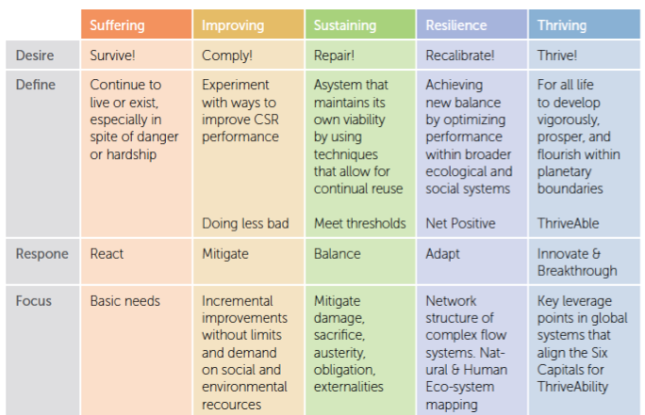
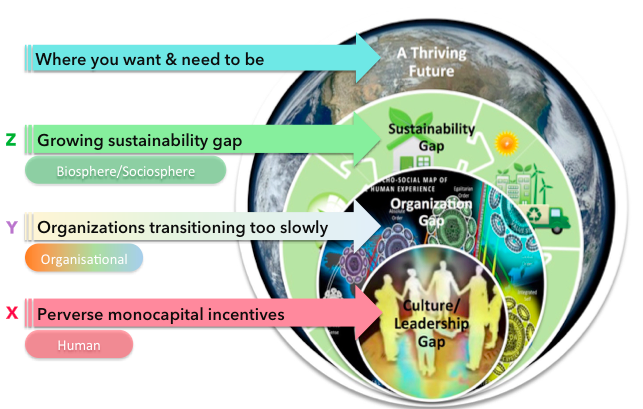
Quality took 40 years to go from being an obscure industrial practice to a widespread business and social change agent. Innovation has taken two decades to become popular, though it is still widely misunderstood, and its twin sister Design has gone global though still remains shallow. Sustainability and CSR have gathered momentum in the past decade, but are only just beginning to be reflected in serious business practice. ThriveAbility integrates these all through radical simplification, to address the growing sustainability gap while empowering flourishing.

Inevitability of ThriveAbility:

ThriveAbility integrates these diverse approaches through a radical simplification enabled by

•              the emerging science of human flourishing,

•              big data and analytics driving new insights into how to close the sustainability gap,

•              breakthroughs in the art and science of change together with

•              major advances in business design and transformation.

All the factors that are needed for ThriveAbility to take off are in place- the coming wave is inevitable. The only question is how much we are able to shape it and place ThriveAbility at the heart of the wave as a force for thrival.

Pioneers:

The March 22-24 Embedding ThriveAbility event is bringing together a small group of pioneers who will shape the future evolution of ThriveAbility. Each brings a set of unique talents and connections that form a core part of the ThriveAbility Consortium’s emerging platform.

Vision:

The vision of the ThriveAbility Consortium is to create an open global platform that:

a.             becomes the acknowledged way of creating thriving businesses and communities

b.             embeds sustainable value through next generation sustainable innovation and organisational transformation through conscious evolution

c.             radically simplifies and deeply integrates existing methods, practices and tools through the ThriveAbility Consortium

Emerging Roles:

The match between the essential ingredients needed for the take-off of ThriveAbility, and the strengths and capabilities of the individuals and organisations interested is evolving rapidly. Strengths include:

a. The Circular Economy and sustainable industrial, product and building design

b. Systems Thinking, Complexity and Quality

c. Business Strategy, Quality Transformation

d. IT, Business Transformation and Spirituality in Business

e. Social and Cultural Transformation, Communications and Education

f. Renewable Energy, Resilient Communities, Leadership Development

g. Sustainable Futures

Programme Overview:

We will explore how ThriveAbility helps identify the “North Stars” for supply chains and business ecosystems, enabling the emergence of key benchmarks for every stage in the value chain.

You will learn how a thriving world can be co-created by embedding a combination of sustainable technologies, organisational transformation and conscious evolution into today’s businesses, institutions and communities.

We will explain why ThriveAbility has the potential to become the ultimate wave that can close the sustainability gap and deliver a thriving future for us all. You will learn how we can together change the game, rules and goals of business and our major institutions in the process.

The interweaving of ThriveAbility practices and the global Quality, Innovation, Design, Sustainability and CSR movements could transform our ability to co-create a viable future for all of us in the next decade.

2) Why This Seminar?

The ThriveAbility Consortium is a mobilization of like-minds to design, develop and adopt the necessary approaches, decision frameworks and incentives for breakthroughs in sustainable innovation and design. This Seminar is a gathering of this emergent consortium.  Participants will engage in the further refinement and development of the ThriveAbility Template whilst also taking a deep dive into the re-design of your own life and that of your business and/or organisation. 

Learning Objectives

Elaborate on the ThriveAbility Concept using the North Star Approach, and metrics derived from integral sciences. Create the necessary Support systems, metrics and guidelines using a North Star Approach to sustain and deliver implementable business transformations that result in pathways to active engagement in ThriveAbility practice. Learn about necessary tooling that enables ThriveAbility in your organization.

3) Who Should Attend

Decision makers and change leaders curious about the breakthroughs being achieved by organisations applying a new approach centered around ThriveAbility, and who are committed to work with peers for the purpose of discovering how to apply ThriveAbility in their organisation or business.

We also seek leaders in Strategy, HR, Sustainability & CSR, communications, product/service leaders as well as top management representatives and policymakers.

For optimal impact we welcome groups of colleagues from the same organisation looking for new ways to tackle the challenges they face in accelerating their sustainability, CSR, change and innovation efforts.

4) Key Benefits and Outcomes

Find Your Inspiration: work through challenges you currently face progressing sustainability, innovation, CSR, product/service design or other initiatives

A Systemic Model of Green Growth Drivers: explore the drivers that accelerate the transition to a green growth, inclusive economy, enabling you to map out pathways to ThriveAbility

Build on Your Strengths to Catalyse Deep Change: complete a set of Factor 100 change profiles & discover ThriveAbility thinking.

Learn From ThriveAbility Pioneers: meet and work with some of the world’s leading practitioners in sustainable innovation, organisational transformation and integrated reporting.

Become a ThriveAbility Leader: you will learn the fundamentals of integral leadership which integrate key aspects of your organisation’s strategy, culture and operations to more effectively deliver ThriveAbility.

5) Practical Applications

Scanning & Strategy: recognise promising opportunities to create ThriveAble Value Added

Development & Prototyping: scale promising prototypes into ThriveAble products and services

Simplify Processes & Partnerships: conduct fundamental reviews using the ThriveAbility Process to design integrated business models

Leadership: Apply Factor 100 Change and the ThriveAbility Dashboard to review, redesign and transform your organisation

6) Programme Details

Day 1 – Elaboration:  NorthStar Navigation

Megatrends: Beyond Sustainability & Innovation

Integral Alignment

Breakthrough Role Models: Zeronauts

Day 2 – Support : Pathways & Roadmaps

The ThriveAbility Approach

Factor 100 Change

Breakthrough Role Models: Turntoo

Day 3 – Activation: Prototyping & Dashboards

Developing ThriveAble Opportunities

Leadership for ThriveAbility

Breakthrough Role Models: various examples

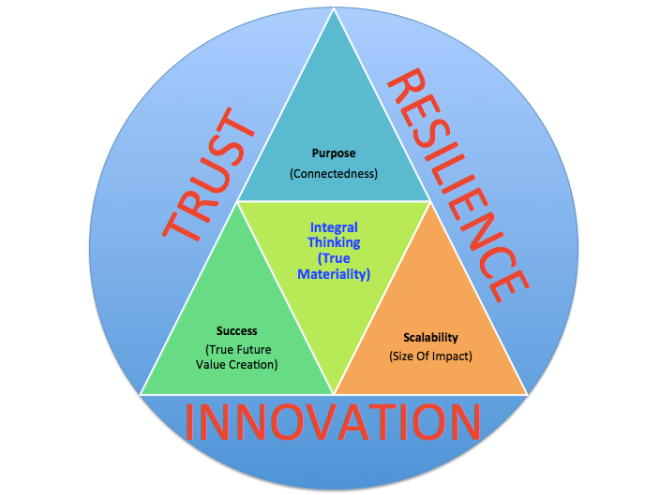
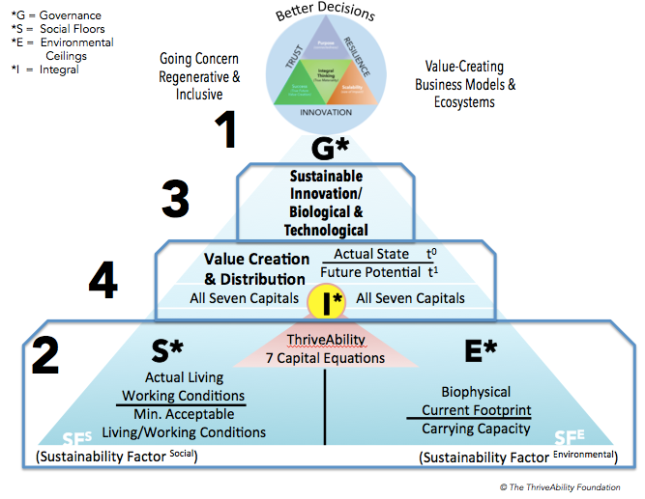
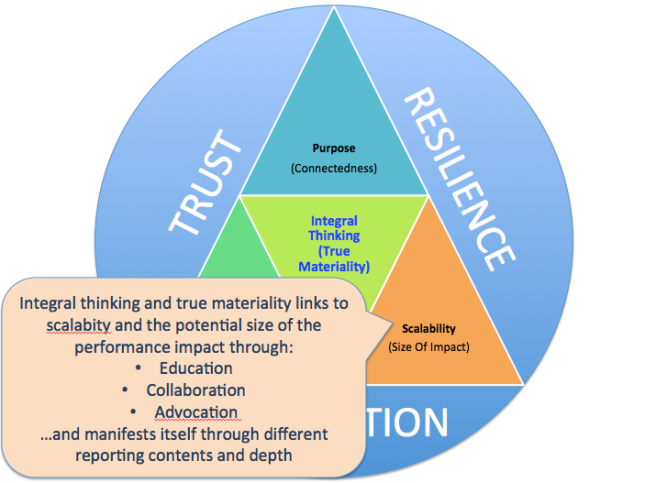
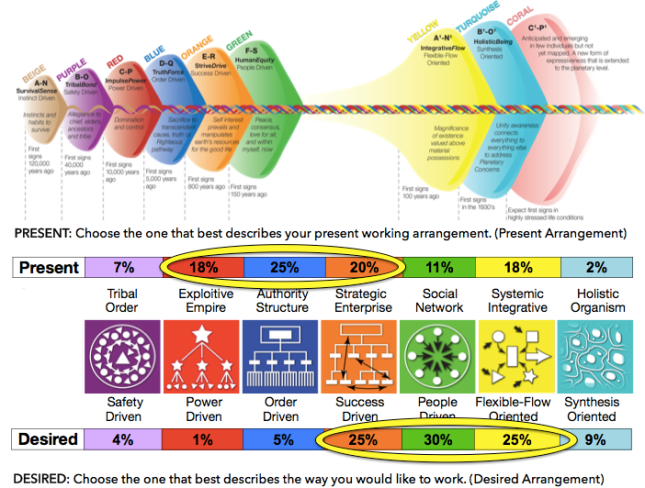
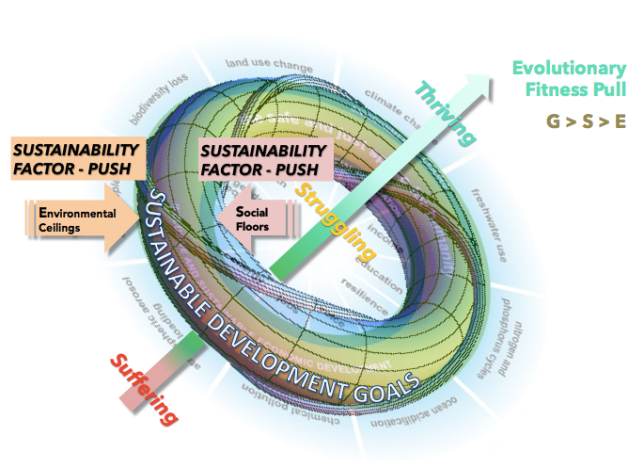
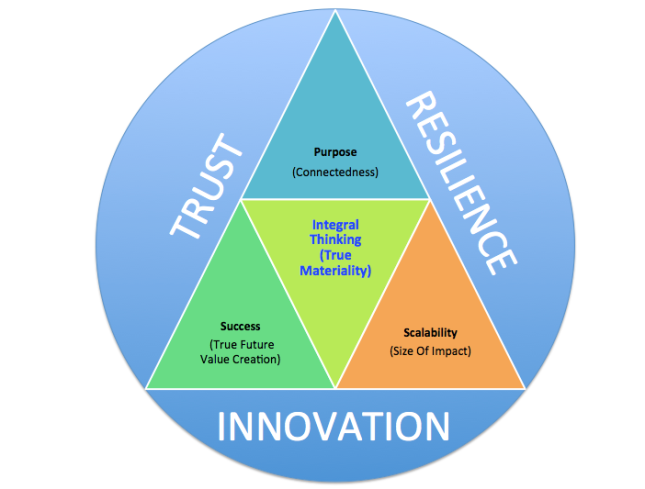
Summary visualization of the 3-day seminar – a holistic approach to ThriveAbility in 3 layers:

Slide Ralph on 3 day 3 layers visualization V2

[Click on the picture to enlarge]

The Thriveability Consortium is thrilled to welcoming you in Perpignan on 22-24 of March! Registration is easy via http://r2meshwork.ning.com/.

 
Leave a comment

Posted by on February 20, 2013 in Thriveability


Tags: , , , , , , , , , ,

Interview in Belgian online magazine Argus: Ralph Thurm – Een stap verder dan duurzaamheid

The following interview was first published in ARGUSactueel on 24th of January 2013. It was done a couple of days before my keynote speech in Antwerp at the Belgian Global Compact Network meeting on January 30, organized in collaboration with VOKA (the Chamber of Commerce for Vlanderen), and the Antwerp World Diamant Center. The text is in Dutch language. I thank the organizers for the wonderful opportunity to talk in front of more than 80 careful listeners, connect to the Belgian frontliners in sustainability, and finally visit Antwerp!

Ralph Thurm – Een stap verder dan duurzaamheid

Op woensdag 30 januari komt Zeronaut Ralph Thurm naar Antwerpen. Hij is in ons land nog niet echt bekend, maar zijn systematische en holistische aanpak van MVO- en duurzaamheidskwesties maken hem tot een zeer boeiende vertegenwoordiger van de wereldwijde transitiebeweging.

Thurm staat voor een holistische aanpak van duurzaamheid en maatschappelijk verantwoord ondernemen en brengt dat in zijn twee jobs en in zijn manier van leven en werken in de praktijk. Hij is Directeur Collaborative Sustainability & Innovation bij Deloitte Nederland en runt daarnaast sinds september 2012 zijn eigen consultingbedrijf A|HEAD|ahead, waarmee hij meer radicale en experimentele duurzaamheidsoplossingen uitwerkt.

“Misschien kunnen dat wel toekomstige services van Deloitte worden,’ zegt hij. ‘Bij Deloitte zijn we al een paar jaar bezig om duurzaamheid een onderdeel van alle werkzaamheden te maken. Duurzaamheid is een cross-cutting issue dat overal in de organisatie te voelen en te zien moet zijn. Zo krijg je ook meer authenticiteit en een groter gevoel van ownership bij de mensen. Daarnaast trachten we duurzaamheid en innovatie dichter bij mekaar te brengen, omdat het twee kanten van dezelfde medaille zijn. Waarbij ik me tussen haakjes zelfs afvraag of je innovatie die niet duurzaam is, überhaupt nog innovatie kunt noemen.”

Van minder slecht naar goed genoeg

Is Deloitte er al in geslaagd om de hele organisatie doordesemd te maken van de duurzaamheidsgedachte? Ralph Thurm: “Nou, er is nog wel wat werk aan de winkel. Duurzaamheid is een reis. Het is kwestie om niet alleen intern de neuzen richting duurzaamheid te zetten, wat mede door het relatief grote verloop van personeelsleden heel wat werk vergt, maar ook de klanten er warm voor te maken nog voor ze er zelf aan denken.”

Bedrijven hebben de mond vol van maatschappelijk verantwoord ondernemen en streven naar duurzaamheid, maar wat bakken ze er in de praktijk van? Zijn internationale standaarden de oplossing om het onderscheid te maken tussen greenwashing en echte verduurzaming? Ralph Thurm: “Als je A en B wil vergelijken, moet je dat op dezelfde basis doen. Ja, standaarden, guidelines, technische protocollen en duidelijke indicatoren zijn nodig. Maar de eigenlijke vraag is: hanteren we wel de juiste standaard? John Elkington zei het me anderhalf jaar gelden als volgt: “Het enige dat we weten, bijna twintig jaar na Rio, is dat we minder slecht zijn geworden.” We weten eigenlijk niet wat het minimale is dat goed genoeg is voor onze planeet. We moeten evolueren van efficiëntie-gedreven indicatoren naar impact-indicatoren. Zeker nu we over steeds meer data beschikken, zoals de verschillende aspecten van de ecologische voetafdruk en het monetariseren van ecosysteemdiensten. To be less bad is not good enough anymore. We moeten leren meten wat minimaal goed genoeg is, zoals Elkington ook bepleit in zijn boek Zeronauts: Breaking the Sustainability Barrier.”

U pleit voor Zero Impact Growth (ZIG). Wat moeten we ons daarbij precies voorstellen? Ralph Thurm: “Het begrip Zero Impact Growth komt voort uit het zoeken naar wat nu wél goed genoeg is. Wat is het minimum dat alle industrieën elk op hun manier moeten bereiken om ons in staat te stellen op een bepaald welvaartsniveau binnen de planetaire grenzen van de Aarde te leven? Nu is het zo dat elke bedrijfstak zo’n beetje definieert wat hij denkt dat duurzaam is binnen zijn industrie. Men toetst midden- en langetermijndoelstellingen, maar werkt niet aan een onderling afgestemd adaptatieplan. De rode draad doorheen de gesprekken in Zeronauts van John Elkington is het streven naar groei met nulimpact. Maar daarmee begint het alleen nog maar. Eigenlijk moeten we meer willen: regenerative growth en positive impact growth (PIG): meer teruggeven dan wat wij van de planeet nemen. Anders zijn we vanwege de rebound effects door klimaatsverandering en bevolkingsgroei eenvoudigweg ten dode opgeschreven.”

Kan elk bedrijf in elke sector ZIG of PIG bereiken? Ook staalbedrijven, vliegtuigbouwers, mijnbouwbedrijven en bedrijven in de fossiele brandstofsector? Ralph Thurm:“Er is in ieder geval nog heel veel potentieel voor bedrijven in de energiesector om minder CO2 uit te stoten, in te zetten op hernieuwbare energie en om hun netwerken slimmer te maken. Betekent zulks dat ook een consumentenbedrijf als Unilever per se ZIG moet zijn? Dat is een afweging. De vraag is: wie doet wat het best en hoe kunnen wij met elkaar samen zo snel mogelijk successen boeken? Want tegenwoordig doet iedereen een beetje van alles. Belangrijk is dat wij afgestemd op elkaar een beeld van Zero Impact Growth moeten vastleggen, en dat is al zeer moeilijk.”

Een nieuwe generatie van transparantie

De impact van ZIG/PIG voor het milieu en het klimaat is duidelijk. Wat betekent het voor de groei en de winstgevendheid van de bedrijven? Ralph Thurm: “Zero Impact Growth betekent niet Zero Growth. We hebben groei nodig, maar dan wel groei naar dingen of situaties die we met zijn allen willen hebben. Het betekent ook precies kunnen meten wat precies de situatie is op deze planeet. Zo lang niemand dat echt kan zeggen, blijven alle inspanningen veel te incrementeel en komen wij ook niet verder met duurzame regelgeving voor een nieuw economisch stelsel en incentivesysteeem.”

Moet ZIG/PIG op termijn wereldwijd de norm worden? Ralph Thurm: ‘We moeten komen tot nieuwe spelregels in de economie waarbij het niet anders kan dan juist te handelen. Moet dat via regels en wetten? Waarschijnlijk wel. Maar het is ook meer dan dat. Momenteel zitten de incentives verkeerd in ons economisch bestel. In het vaarwater van een  Zero Impact Growth-adaptatieplan moeten we komen tot true costing, true pricing en true taxation. De prijzen moeten de werkelijke totale kosten weerspiegelen, we moeten komen tot een internalisering van externe kosten.”

Hoe kan de internalisering van externe kosten worden geïmplementeerd? Ralph Thurm: “Er zijn meer dan genoeg consultants die dat kunnen berekenen. We moeten het nog wel eens raken over de juiste standaarden die uitgaan van correcte gemiddelden en niet opnieuw appelen met peren vergelijken. True costing heeft enorme effecten op de profit- en loss-accounts van de bedrijven en de prijzen van de producten. Om dat op een sociaal aanvaardbare manier te regelen, zal de overheid de taxatie anders moeten aanpakken. Daar is alle reden toe, want op dit moment wordt het meest waardevolle, de menselijke arbeid, het zwaarst belast. Terwijl dingen die bedreigend zijn voor de toekomst van onze planeet nauwelijks of helemaal niet worden belast. Als je erin slaagt om dat op orde te krijgen, is het niet langer de vraag of een bedrijf meedoet of niet: iedereen wordt gewoon meegesleurd. Maar je moet het mondiaal aanpakken, met aandacht voor lokale verschillen, of je hebt geen eerlijke concurrentie. Ook moeten wij het zo regelen dat de totale kosten voor de consument ongeveer gelijk blijven en niet tot nieuwe sociale spanningen leiden.”

Klinkt aanlokkelijk, maar is dat geen illusie? Zijn grote bedrijven niet machtiger en meer eensgezind dan alle regeringen van de wereld samen? Ralph Thurm: “Het is enorm moeilijk omdat we in een andere economische en kapitalistische logica leven. Toch zijn er vandaag in alle industrieën een aantal leidende spelers die stellen dat we nu moeten handelen als we niet over twintig jaar met zijn allen ten onder willen gaan. Zo heeft Puma zijn eerste environmenal profit & loss account opgesteld en zijn ze bezig aan een tweede die nog meer aspecten omvat, niet alleen CO2, energie en water. Met het risico dat ze door iedereen bekeken worden en dat er heel wat gevoelige informatie bekend gemaakt wordt. Ze doen dat zodat iedereen zou begrijpen waarom ze het doen en zodat men hun voorbeeld zou volgen.”

Makkelijk, zo’n environmental profit & loss account, als je de externe kosten niet echt moet betalen. Ralph Thurm: “Dat is een veelgehoorde kritiek. Maar dit is een case die enorm wordt onderschat. Niet alleen vanwege de ongeziene transparantie, maar ook door het aanscherpen van het bewustzijn binnen het bedrijf van zijn echte impact op het milieu. Het blijkt bovendien een enorme drijver voor innovatie, omdat Puma ervan overtuigd is dat die externe kosten ooit echt wel zullen moeten worden betaald. Vandaar de beslissing om nu al volledig leervrij te worden: 70 tot 80% van de ecologische voetafdruk van Puma situeert zich in de landbouwsector en heeft te maken met CO2-uitstoot bij de productie van leer. Het is een zeer holistische aanpak, gebaseerd op een nieuwe generatie van transparantie. Dit versnelt ook de innovatiekracht van zo’n bedrijf, ze trekken de toekomstige internalisatie van externe kosten naar het nu. En het maakt een einde aan de statische “Ja maar”-discussies waarin zoveel milieukwesties verzeilen.”

Het voordeel van een crisis

Verwacht u in de toekomst een geleidelijk proces van verandering naar meer duurzaamheid of een grote revolutie? Ralph Thurm: “Ik verwacht niet één grote ommeslag, maar wel relatief veel aardbevingen en aardverschuivingen. Het zal niet allemaal soepel en lekker verlopen. We staan aan het begin van een transitiefase. Het interessante is dat aan het merendeel van de maatschappelijke en economische transitiefases in het verleden een financiële crisis is voorafgegaan. Zeker als blijkt dat je de crisis niet alleen met financiële ingrepen kunt oplossen. Daarnaast spelen nog veel andere domino-effecten mee, zoals de voedsel- en de klimaatcrisis. Je ziet nu echt ook een mentaliteitsverandering optreden.”

Hoe zou u die mentaliteitsverandering precies omschrijven? Ralph Thurm: “Consumenten willen meer informatie over de duurzaamheid van de producten die ze kopen. Het marktaandeel van de LOHAS – een acroniem voor Lifestyles of Health and Sustainability – neemt toe. In Duitsland gaat het over een actieve community van een half miljoen mensen. Ze streven niet alleen naar gezonder eten, maar kiezen er ook voor om meer tijd met familie en vrienden door te brengen en wensen uitdrukkelijk een bijdrage te leveren aan de maatschappij. Auteur Paul Hawken beschrijft de wereldwijde shift naar duurzaamheid, die veel groter is dan je denkt, treffend in The Blessed Unrest. Ik denk dat we technologisch gezien over alle middelen beschikken om de Duitse Energiewende (de systematische overstap op groene energie, red.) ook in andere landen te laten plaatsvinden. Volgens mij ontbreekt het ons alleen nog aan een intelligente en meeslepende manier om iedereen mee te krijgen.”

Op uw blog hield u onlangs een pleidooi voor Thrivability – een Nederlands woord is altijd welkom – als een stap verder dan MVO en duurzaamheid. Wat verstaat u daar precies onder? Ralph Thurm: “Ik vrees dat ‘sustainability’, ‘the ability to sustain’ de mensen niet genoeg aanspreekt. Wat is de overtreffende trap? ‘Thrivability,’ ‘the ability to thrive’ in het Nederlands nog het best te vertalen als ‘de zoektocht naar tevredenheid en geluk.’ Is dat niet de diepste wens van de mens? Met zijn allen gelukkig zijn. Kunnen zeggen dat we een moeizame maar waardevolle bijdrage hebben geleverd. Er bestaan ook mooie modellen op het gebied van het menselijk bewustzijn, zoals Theory U van Otto Scharmer of het werk van Ken Wilber. Het gaat tenslotte niet alleen over systeeminnovatie, maar om mensen mee te krijgen: individuele en culturele innovatie dus. Als mensen begrijpen wat systeemgrenzen zijn, dan komt de rest van de innovatie eigenlijk vanzelf. Dat hoop ik tenminste. Ik denk dat de volgende twintig jaar enorm moeilijk maar super-interessant zullen zijn. Het wordt enorm boeiend om deze innovatie-wave mee te maken, ook omdat ze alomvattend is, van systeeminnovatie en culturele innovatie naar proces-, product- en service-innovatie. Veel megatrends bieden aanzienlijke uitdagingen, maar dragen ook enorme mogelijkheden in zich.’

U bent al 20 jaar actief in de duurzaamheidssector en mag nu de eretitel Zeronaut dragen. Bent u zelf ook een groene en geëngageerde consument? Ralph Thurm: “Als ik vlieg, zorg ik altijd voor een CO2-offset. Die betaal ik zelf. Ik probeer altijd zoveel mogelijk van thuis uit te werken. Ik rij met een heel zuinige kleine auto. Ik zet mijn schouders met plezier onder heel wat maatschappelijk werk, zoals voor Global Compact en de Turntoo Foundation in Nederland, maar bijvoorbeeld ook  in het Midden-Oosten met het Arabia CSR Network.”

Wat was uw oorspronkelijke motivatie om u te verdiepen in duurzaamheid? Ralph Thurm: “Mijn studies economie vielen samen met de eerste conferentie van Rio. Ik vond economie zoals we het aangeleerd krijgen te weinig holistisch en te veel patchwork. Toen mijn vrouw en ik aan kinderen begonnen, nam ik me voor een goed voorbeeld te zijn voor mijn kinderen. Ik wou later kunnen zeggen: “Ik heb mijn best gedaan.” Daar zit ook een persoonlijke reden achter. Mijn vader, die vorig jaar overleden is, is geboren in 1930. Aan het einde van WOII moest hij verplicht naar een school van de Hitlerjugend. Ik wou zo veel mogelijk over die tijd weten, maar elke discussie die ik met hem voerde over hoe dat allemaal mogelijk was, liep vast op “Ich habe es nicht gewusst.” Dat was zijn manier om niet in detail te treden over de vreselijke dingen die hij heeft meegemaakt en waar hij ook niet altijd het fijne van afwist. Ongeveer drie jaar geleden zei mijn zoon me: “Als we over twintig jaar praten over het soort oorlog dat jouw generatie nu met deze planeet voert, is dat alvast geen argument dat jij tegen mij zal kunnen gebruiken.” Dat was een zeer emotioneel moment. Weten dat het niet goed zit met de wereld geeft je een grote verantwoordelijkheid, en daar een goed antwoord op trachten te geven, blijft een zeer sterke motivatie.”

 
2 Comments

Posted by on February 10, 2013 in Thriveability


Tags: , , , , , , , ,

 
Follow

Get every new post delivered to your Inbox.

Join 587 other followers